The Holocaust is one of history's darkest chapters. But this history is not just about the past - it teaches us vital lessons for today.
The Preserving Memory project is about students taking on the challenge of preserving and sharing Holocaust history in a meaningful way. Rather than simply memorizing facts, they became researchers, designers, storytellers, and historians. They grapple with difficult questions:
How does hatred spread? What makes democracies fail? What is the allure of dictatorship? How do the choices of common citizens impact history? What does it mean to resist injustice? How do ordinary people make extraordinary choices? What is our obligation to speak out against hatred? How do we prevent such atrocities from happening again?
The result is this museum exhibition: a powerful testament to student learning and a call to action for all who visit.
Our Process
This project was not a traditional research paper or presentation. Instead, students engaged in an immersive learning experience that invited them to:
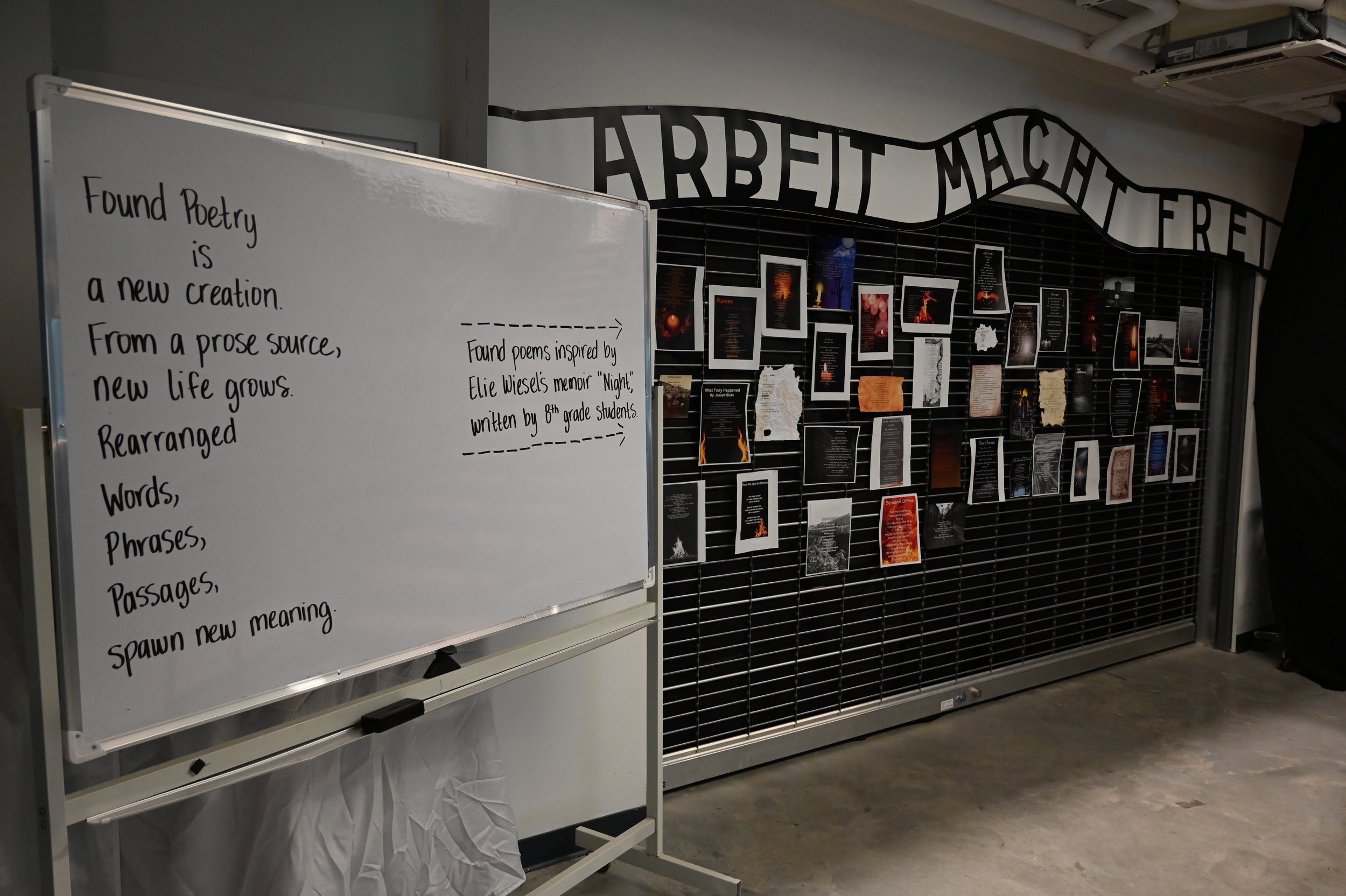
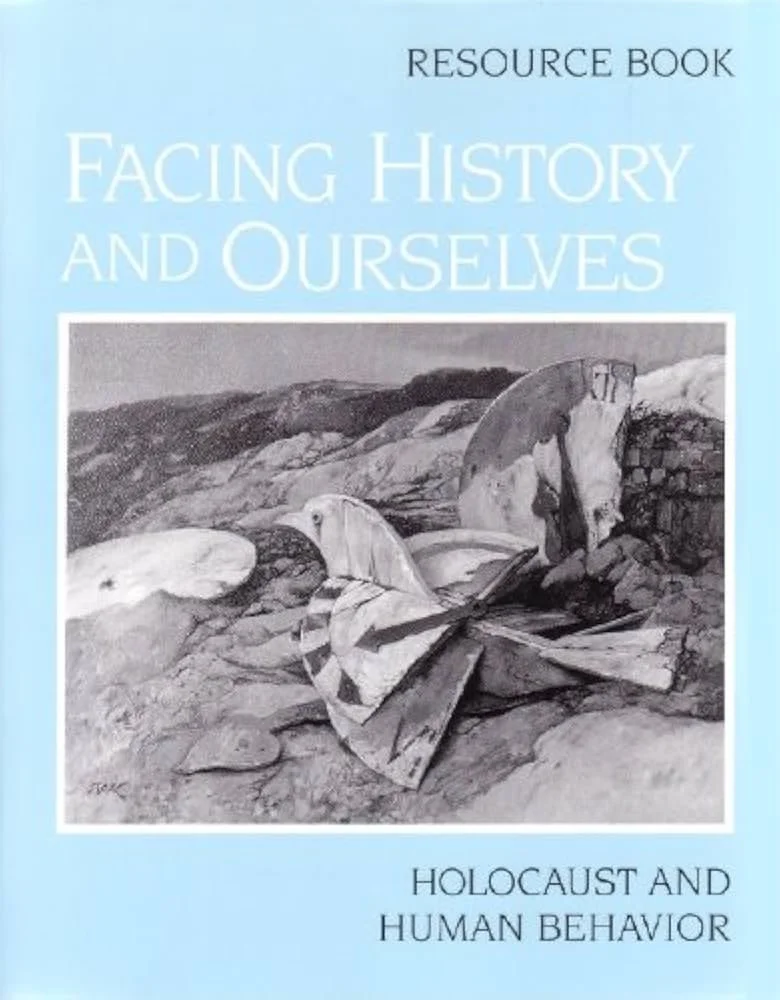
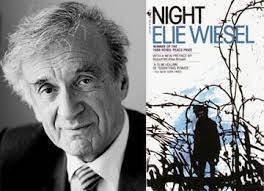
Engage in Interdisciplinary learning: Students learned about World War 1 and the Weimar Republic through Facing History and Ourselves curriculmum in social studies in order to understand the conditions that led to the rise of the Nazi party in Germany; in English, they learned the systematic steps that were taken to remove Jews and other groups of “undesirables” from German society once the Nazi’s attained power. Through historical simulations and a memoir study of Elie Wiesel’s “Night,” students arrived at a deeper understanding of the content prior to the project launch. They grappled with the nuances of history-not just what happened, but why it happened and what it means.
Research deeply: Students investigated their assigned Holocaust topics deeply, reading primary source documents, watching documentaries, and learning the stories of real people. They accessed hours of testimony footage in their research from the Shoah foundation’s iWitness lab to learn the true stories of survivors and emotionally engage with their topics.
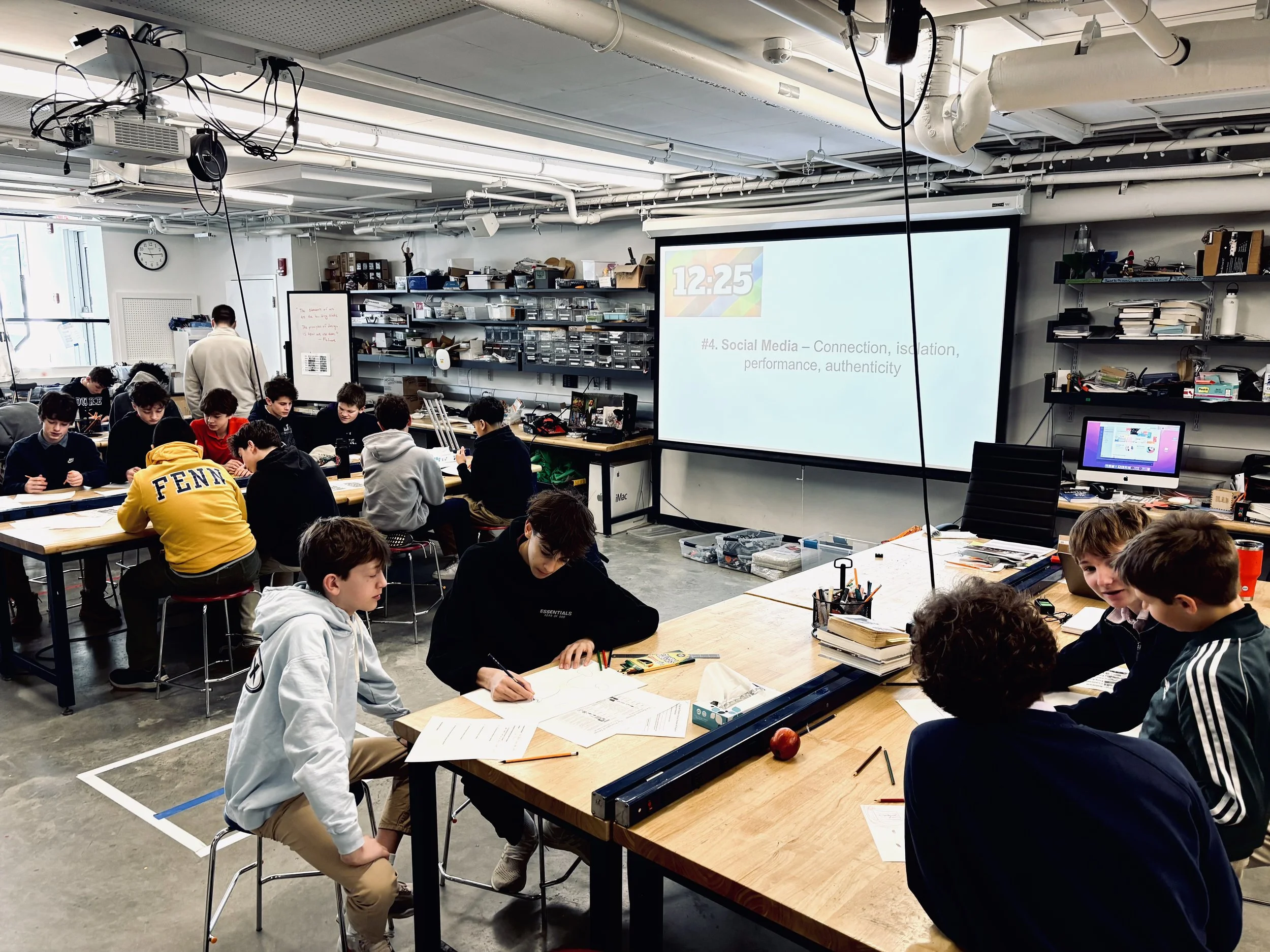
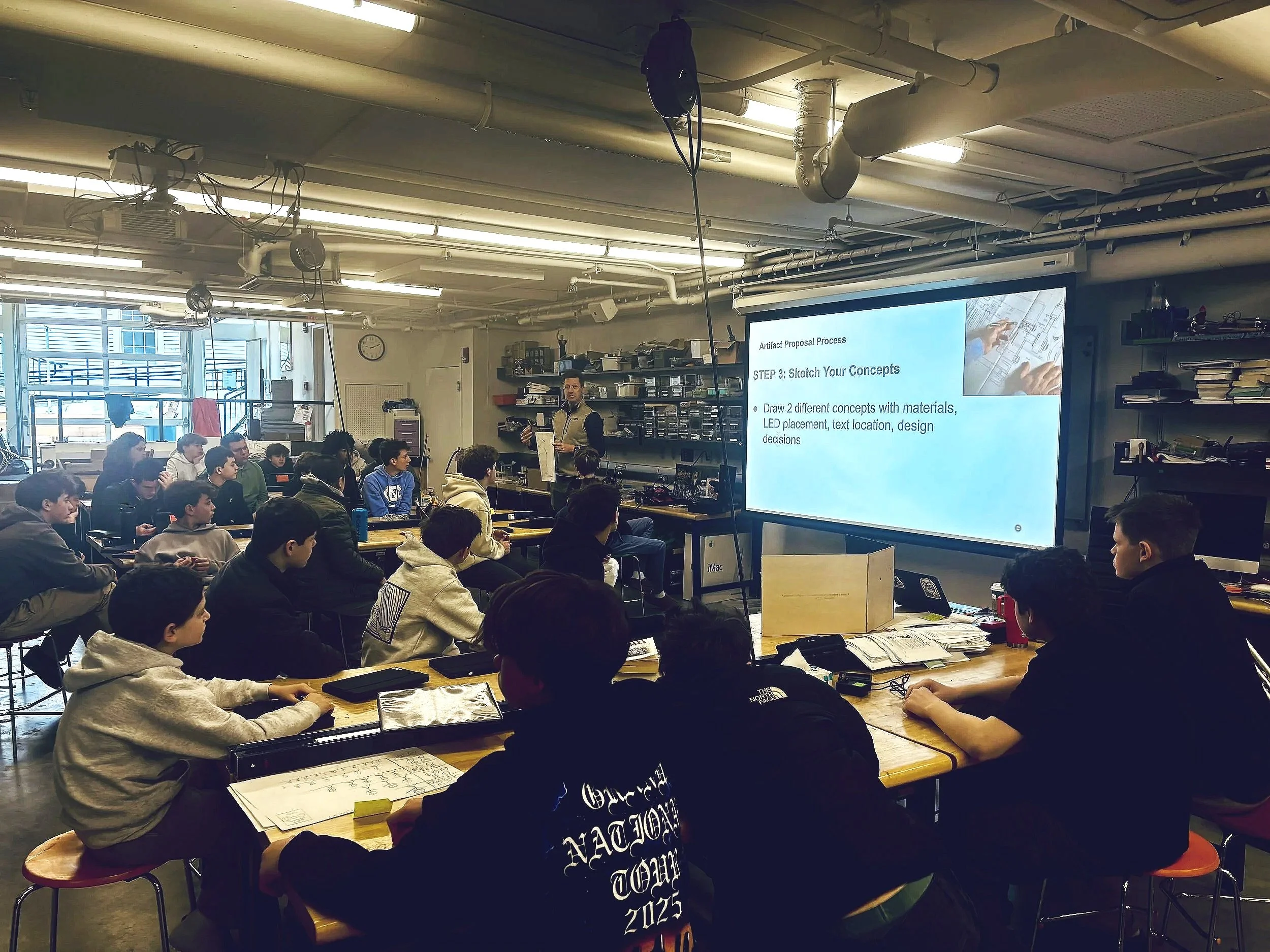
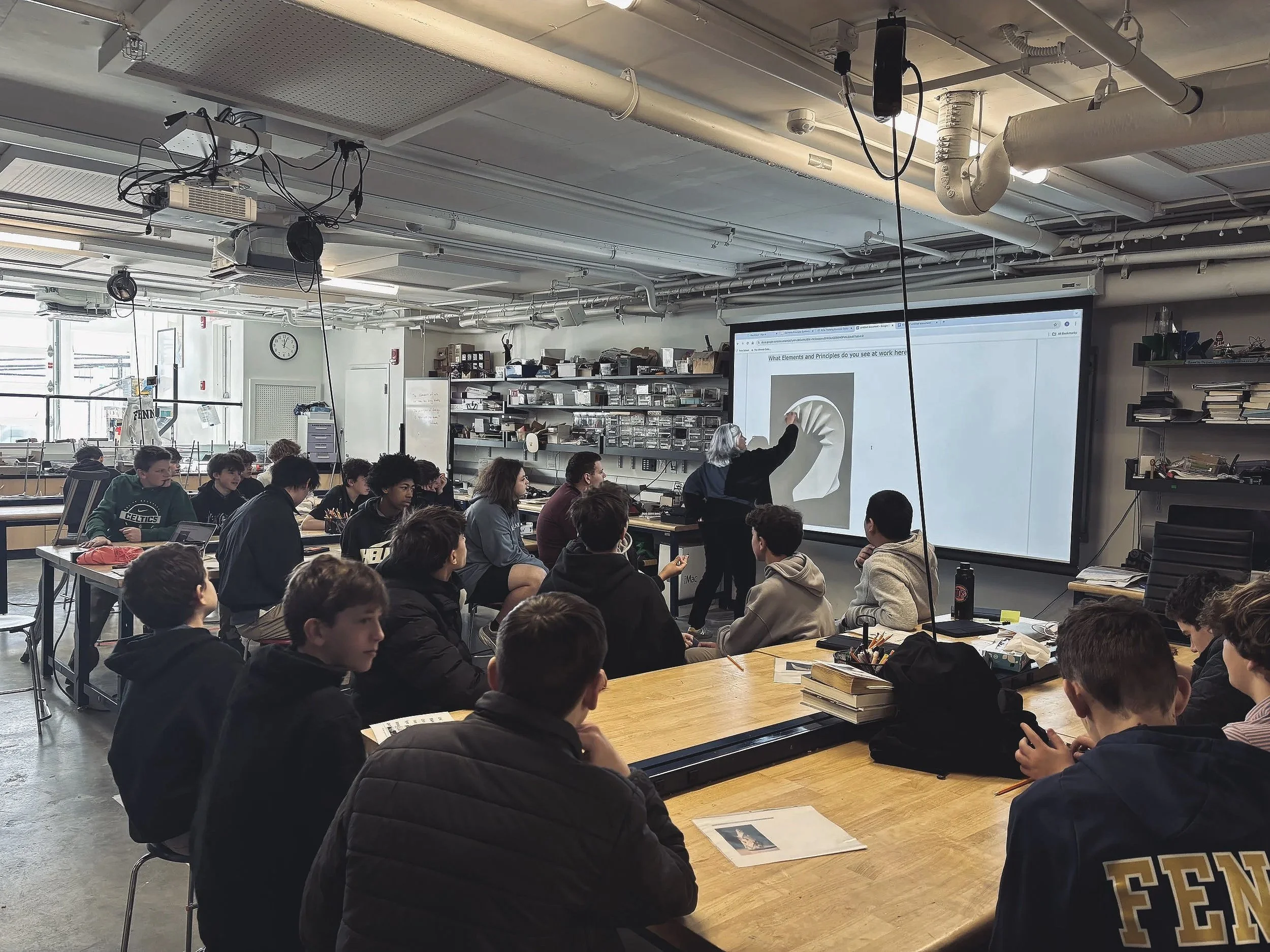
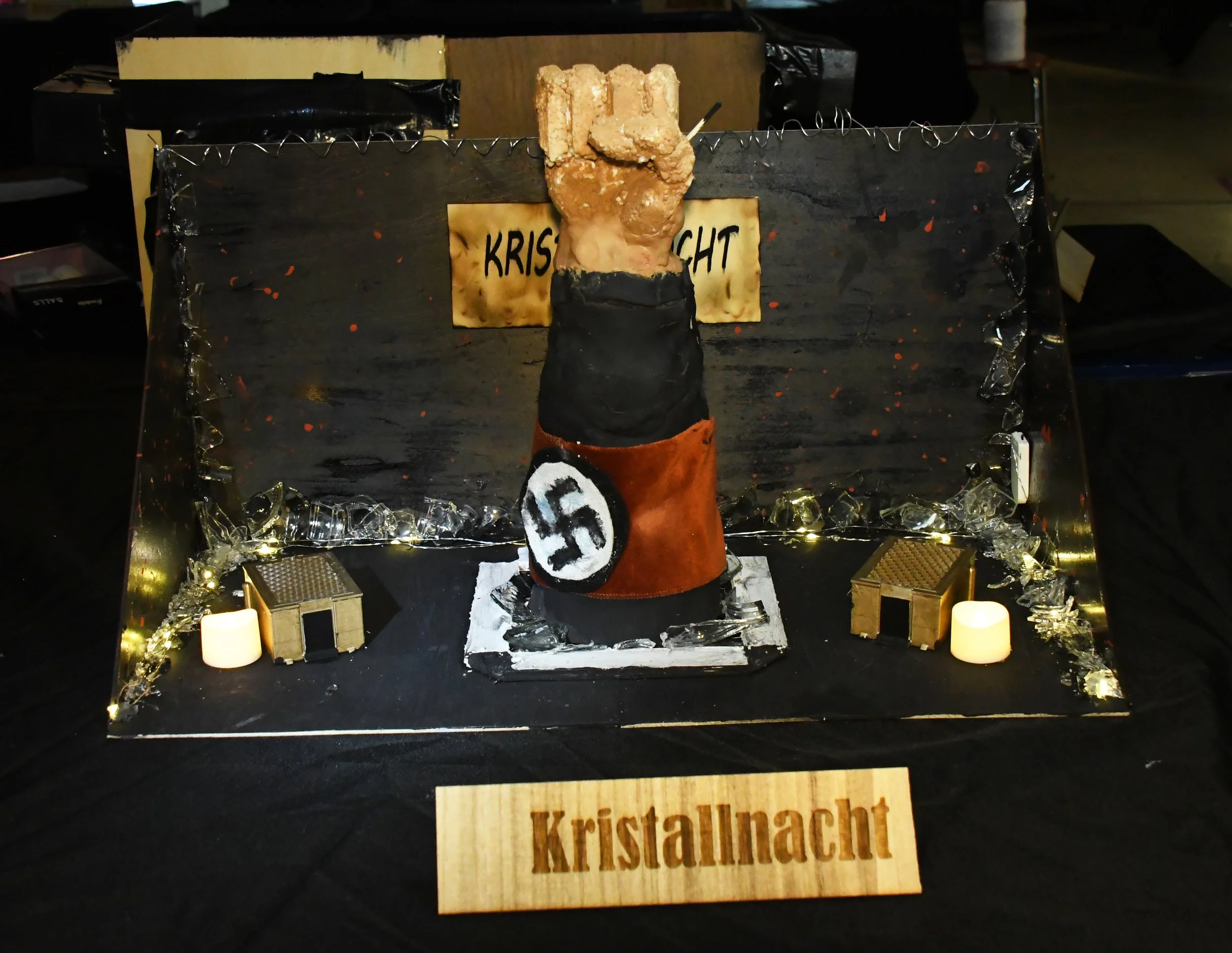
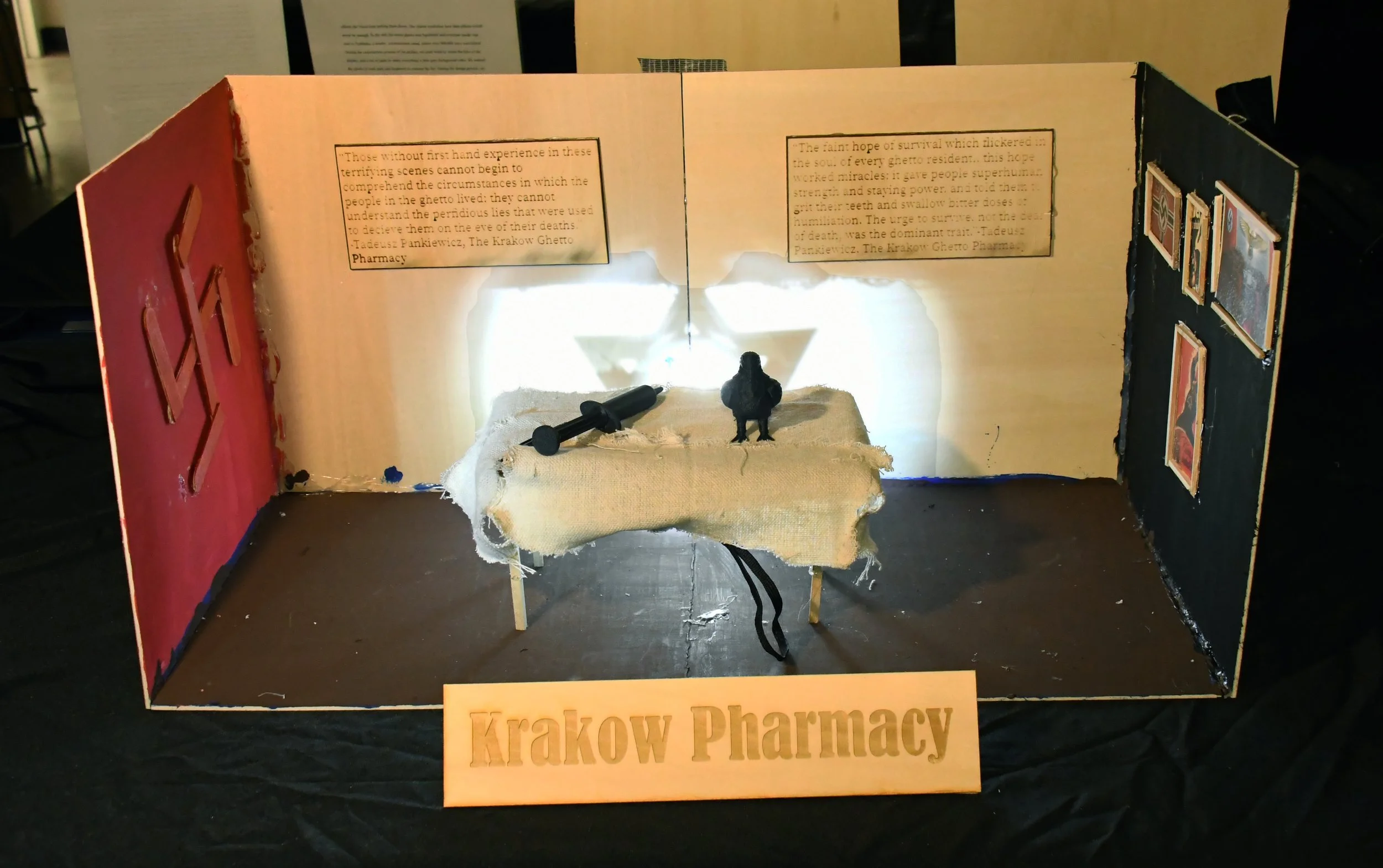
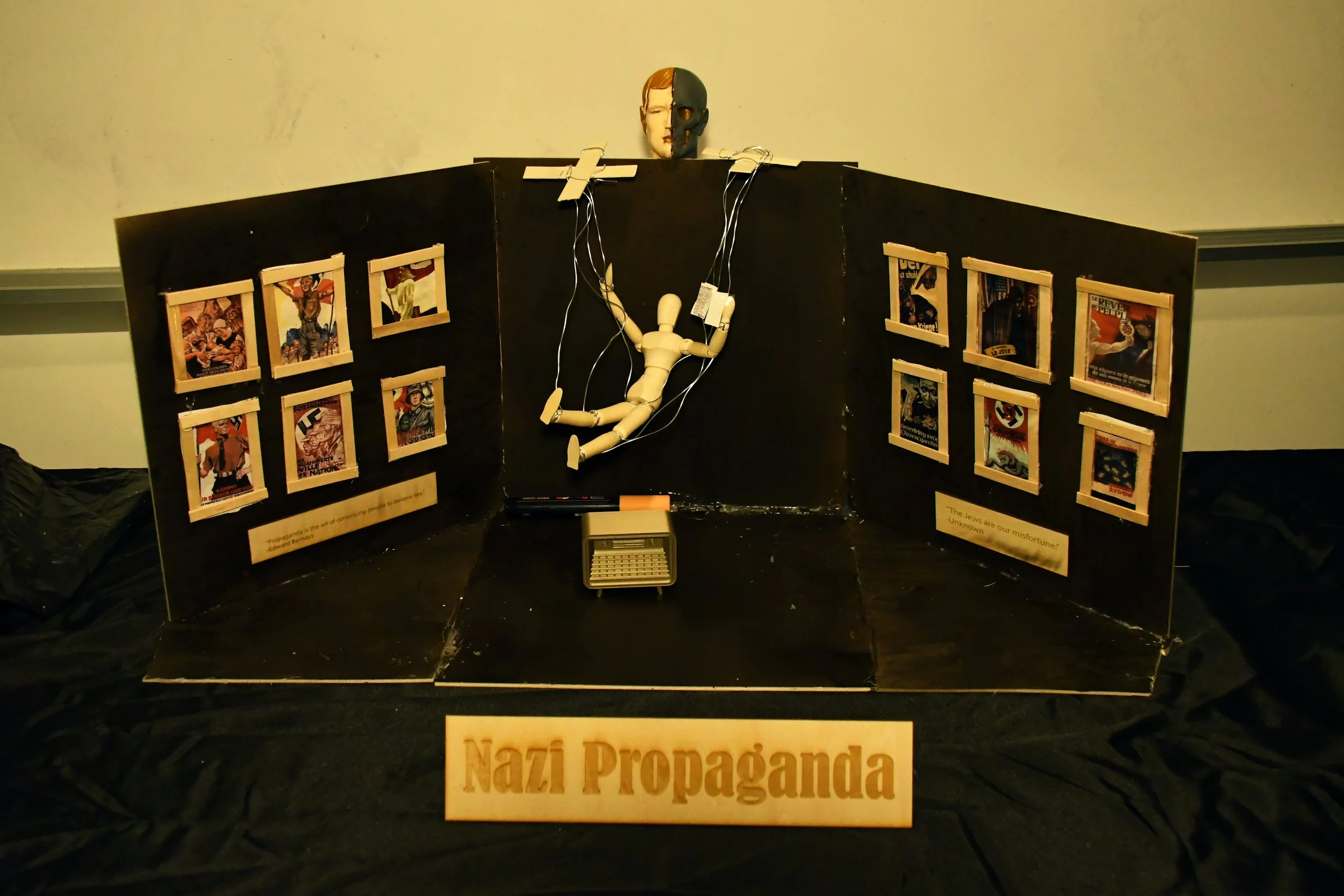
Learn about symbolism, elements of art and principles of design in order to create powerful artifacts: One of Fenn’s veteran studio art teachers co-taught lessons on elements of art, principles of design and symbolism to build students’ foundational understanding of these concept before students engaged in their own concept design. Students engaged in design challenges before they started their concept sketches for their projects to integrate the elements and principles they had learned. After these lessons, student groups proposed physical artifacts to represent their topic. These artifacts use symbols and visual language to express big ideas about the Holocaust. They received feedback from teachers and engaged in a design thinking process to iterate on their ideas.
Produce documentaries: Students participated in the study of a variety of documentaries to build their understanding of the medium, deconstructing the parts of each documentary they saw. They transferred notes from their research into a group storyboard to build out the arc of their narrative. They delved into script writing, receiving feedback to enhance their storytelling, before making final revisions. Ultimately, they created short documentary videos explaining their topics that integrated all they had learned about their topic, including primary sources and testimonial clips to make the viewer experience more compelling.
Write artist statements: One of the challenging tasks was for students to articulate their thinking about their artistic choices and process in an artist statement. They explained their topic, how they interpreted it, and then created meaning in the form of an artifact through the use of symbolism and a variety of artistic choices.
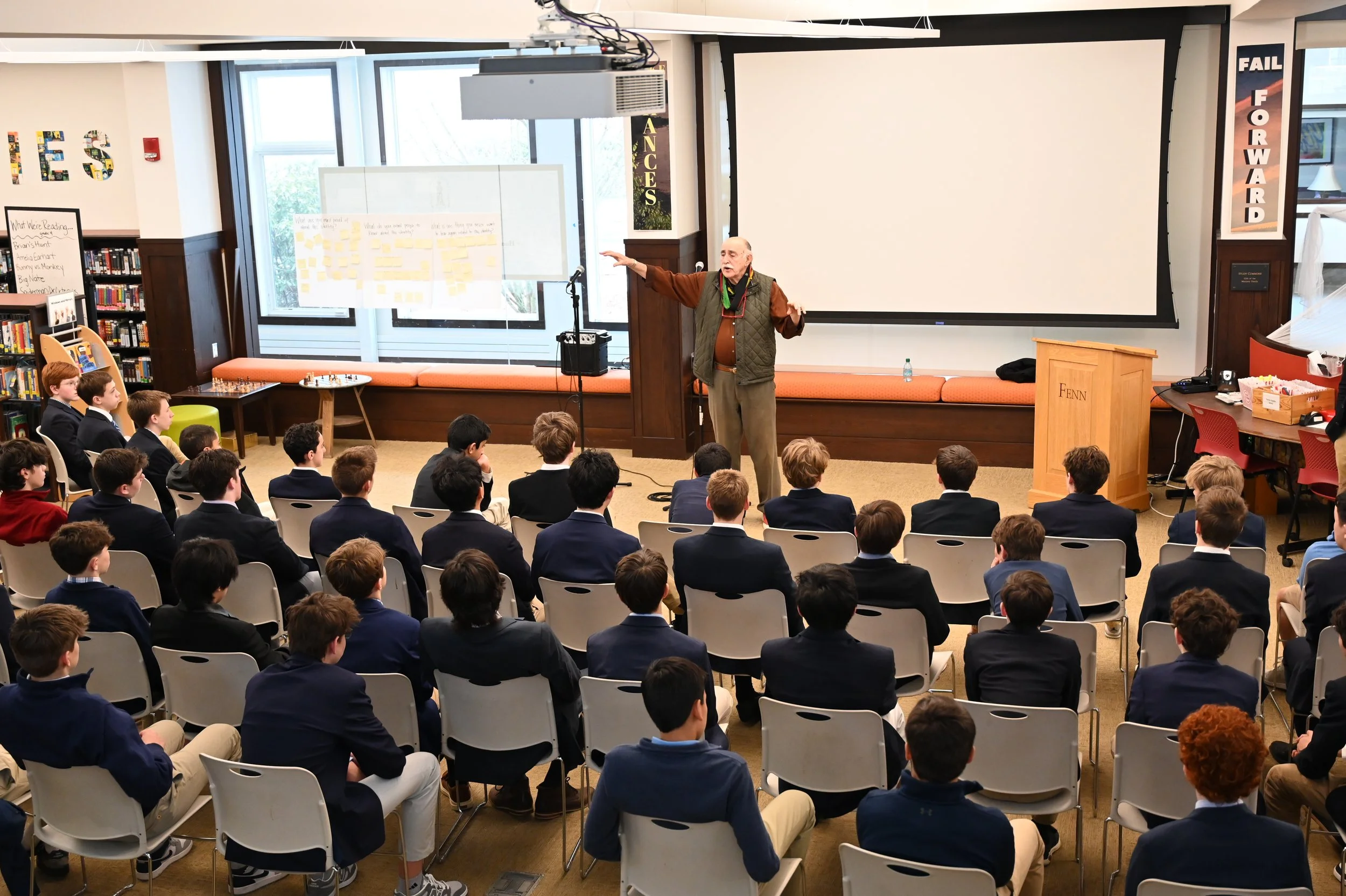
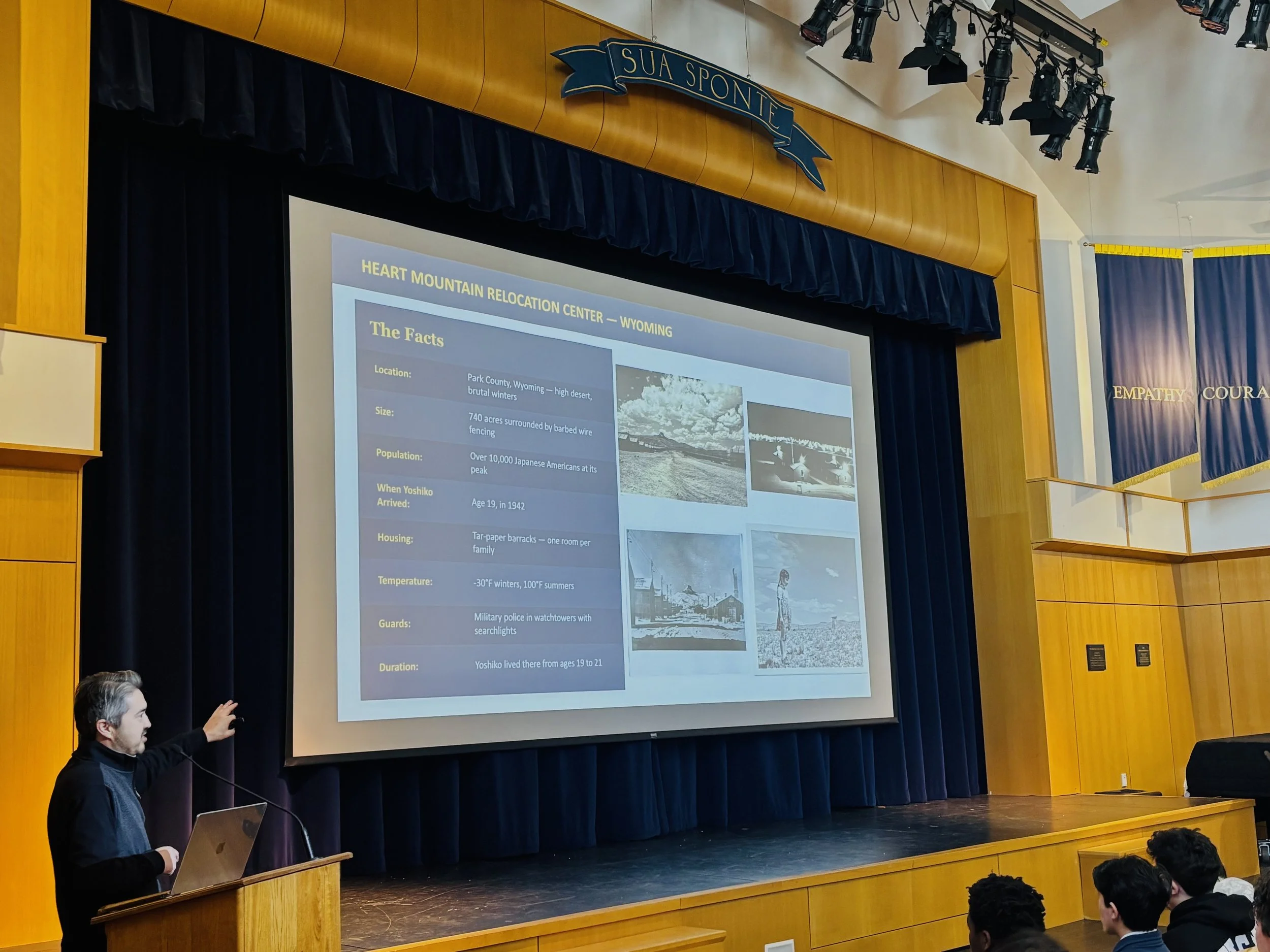
Learn from others: Students heard from a Jewish teacher about the meaning of this project from his perspective after seeing statistics about anti-Semitism in the United States and seeing examples of discrimination and hateful acts in their local communities. They listened to the story of a Fenn parent whose grandparents were incarcerated in a Japanese-American Internment camp in the United States. They engaged in a lesson about making interactive museum exhibits with educators from the Concord Museum. They heard from a Holocaust survivor.
Transform the Stone Family Innovation Lab into a Museum: After weeks of work, students helped transform the Stone Family Innovation Lab into a Holocaust Museum. They share their work with families and an outside audience.
Throughout this process, students learned that history is not just something that happened to other people in other times. It's a story we all have a responsibility to understand and share and to shape our own decisions as citizens.
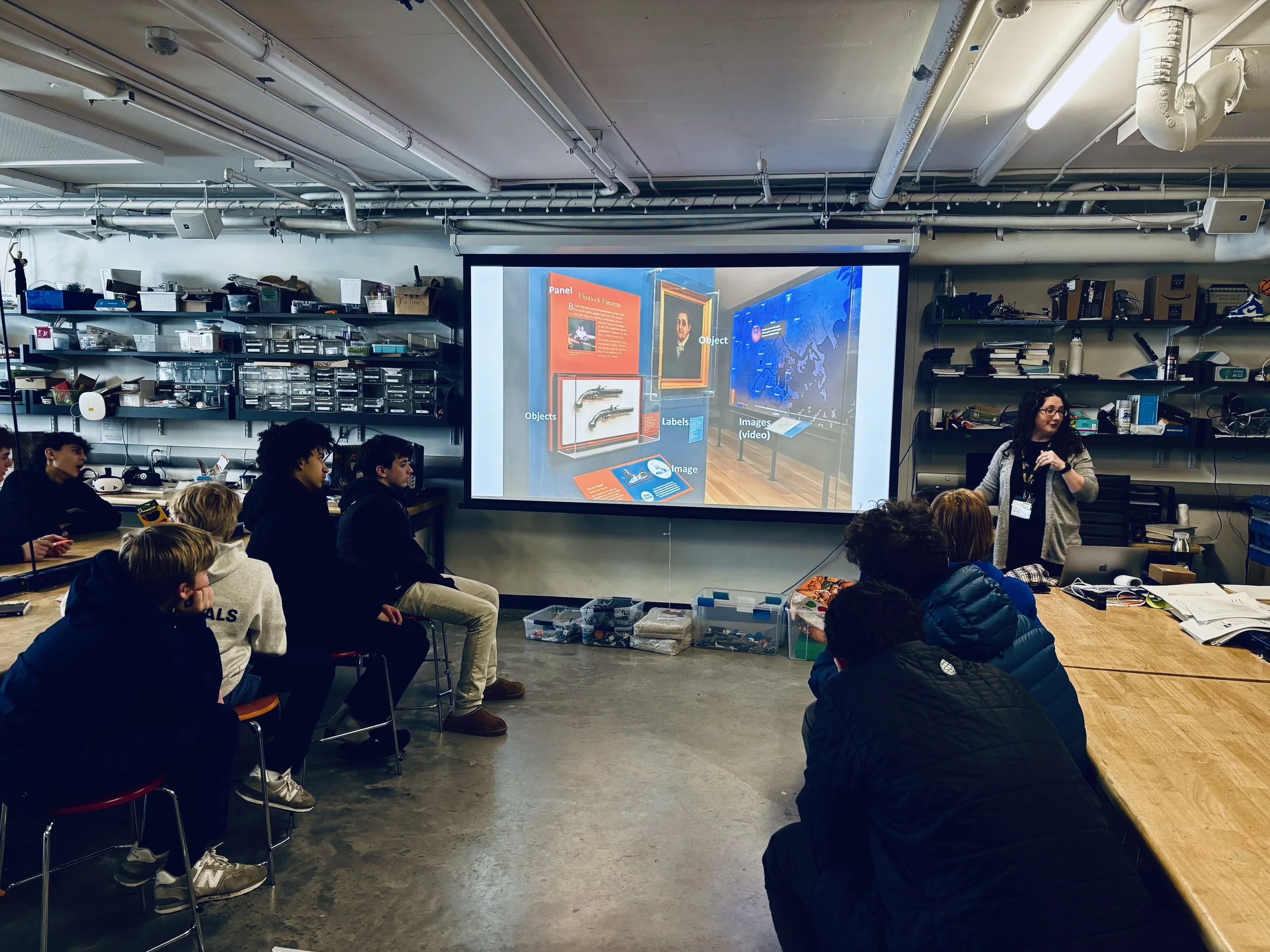
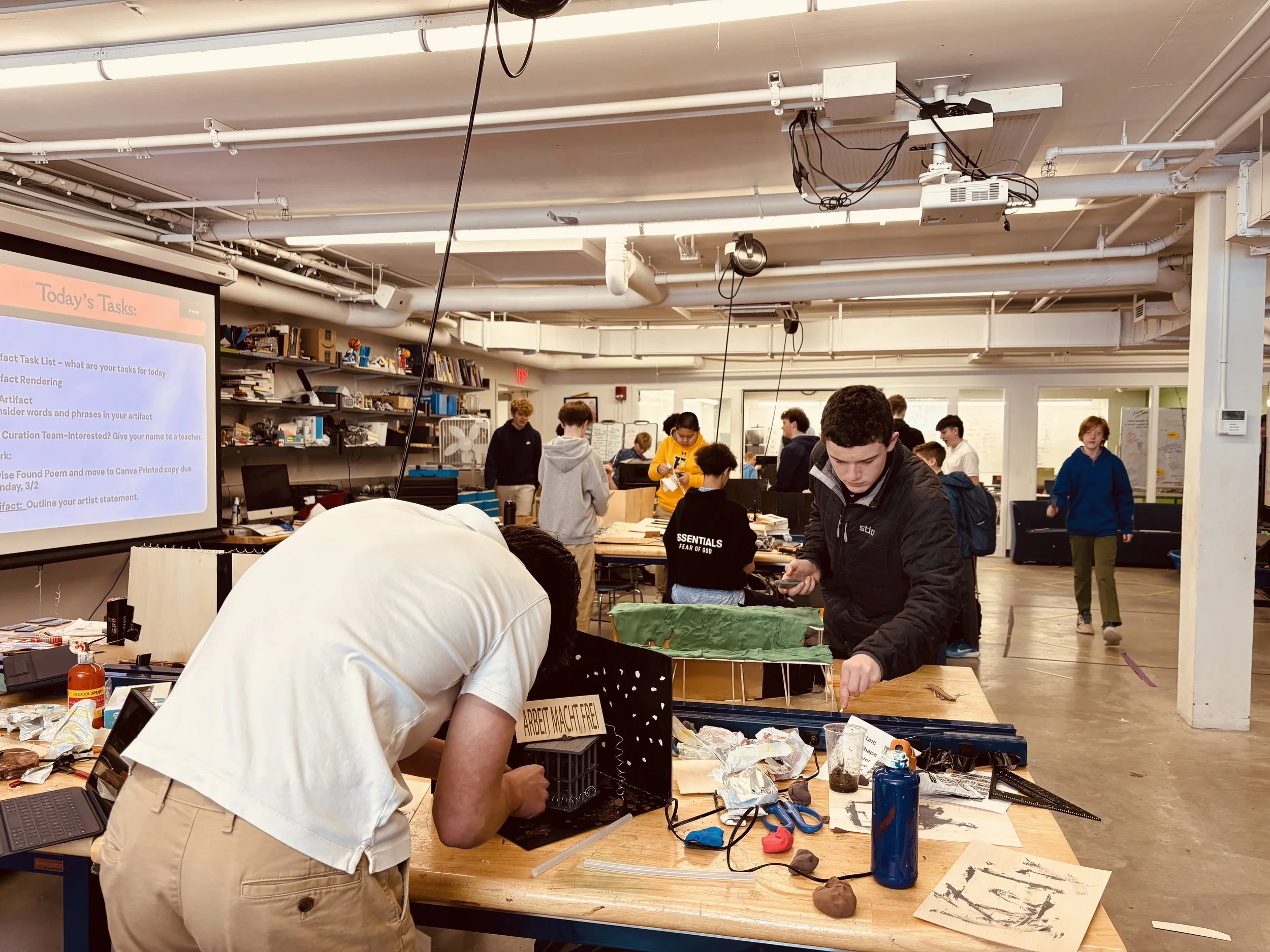
The museum is organized into five thematic tables, each telling a different chapter of the Holocaust story. This structure allows visitors to understand the escalation of persecution and to encounter stories of resilience, resistance, and rescue alongside the darker chapters of history.
The Five Tables:
Table 1: Roots of Hatred (1920s-1933) — How prejudice against Jewish people developed and was weaponized through propaganda and false ideology
Table 2 & 3: Persecution, Control & Confinement (1938-1945) — How the Nazis systematically took away rights, forced people into ghettos, and built concentration camps; but also how people resisted, survived, and helped others
Table 4: Resistance & Defiance (1942-1944) — Stories of brave people who fought back in different ways: armed rebellion, underground movements, moral defiance
Table 5: Rescue & Humanity (Throughout) — Stories of people who risked their lives to save others, and how survivors healed through art, literature, and bearing witness
Untold Story Table: Japanese American Internment — How the United States government targeted Japanese Americans after the Pearl Harbor attacks, shining light on important but lesser known history in the U.S.
Each table includes 3-4 student exhibits, for a total of 18 topics. Visitors are encouraged to spend time at each table, watching documentaries, examining artifacts, reading artist statements, and engaging with primary source documents. Look at our exhibits page to learn more about each of these projects.
Symbolism
Each artifact created by students uses symbols—visual language that represents ideas and emotions. A broken chain might represent freedom. A light might represent hope. A wall might represent separation. By examining these artifacts and watching the documentaries, visitors learn not just what happened, but how students interpreted and expressed the meaning of these events.
This approach teaches an important skill: how to read and interpret visual communication. It also honors the way survivors and artists have processed Holocaust history—through creative expression, not just factual recitation.
Visitors are encouraged to ask themselves: What symbols do I see? What do they mean? What message is the student trying to send? How does this artifact help me understand the history?
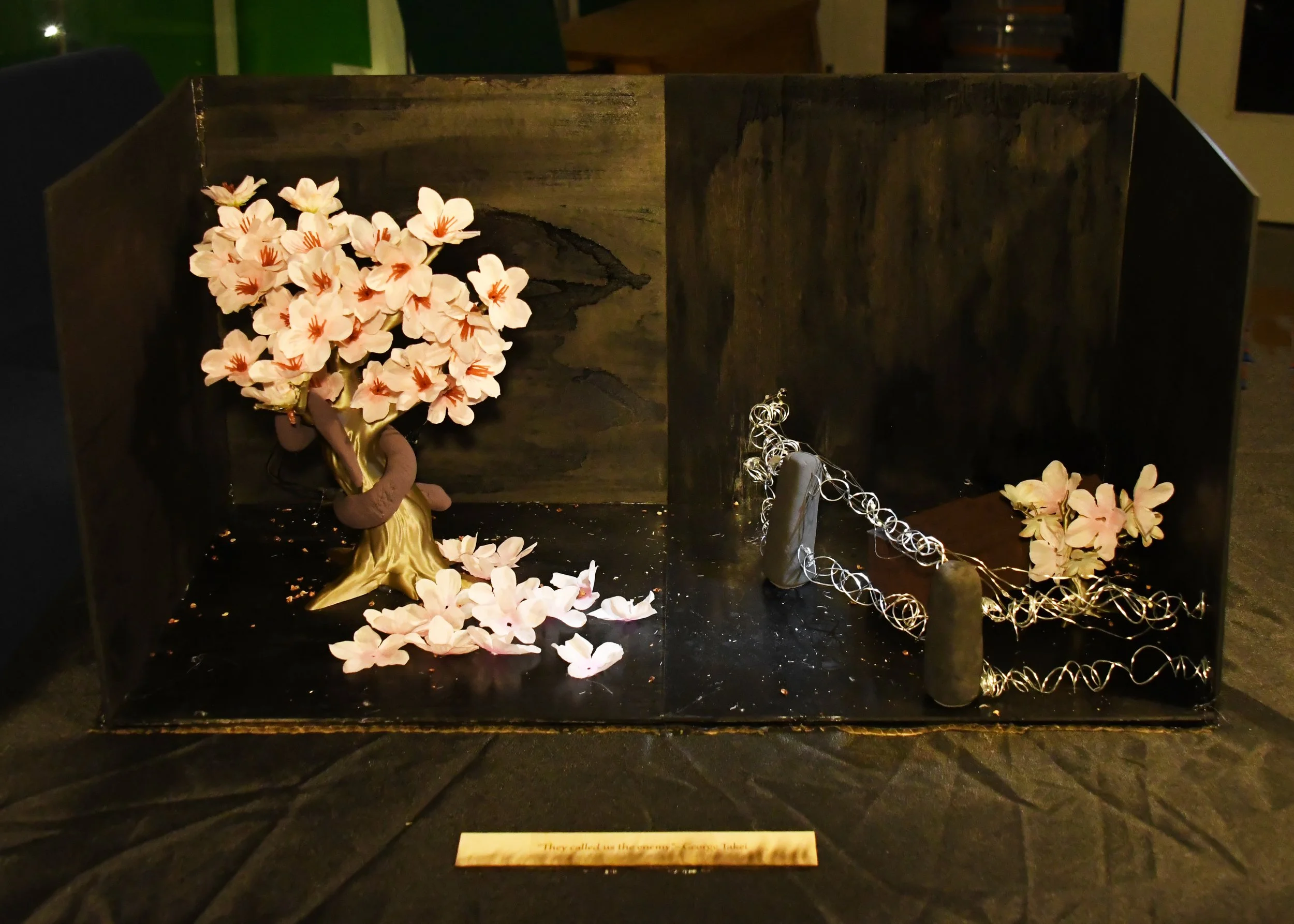
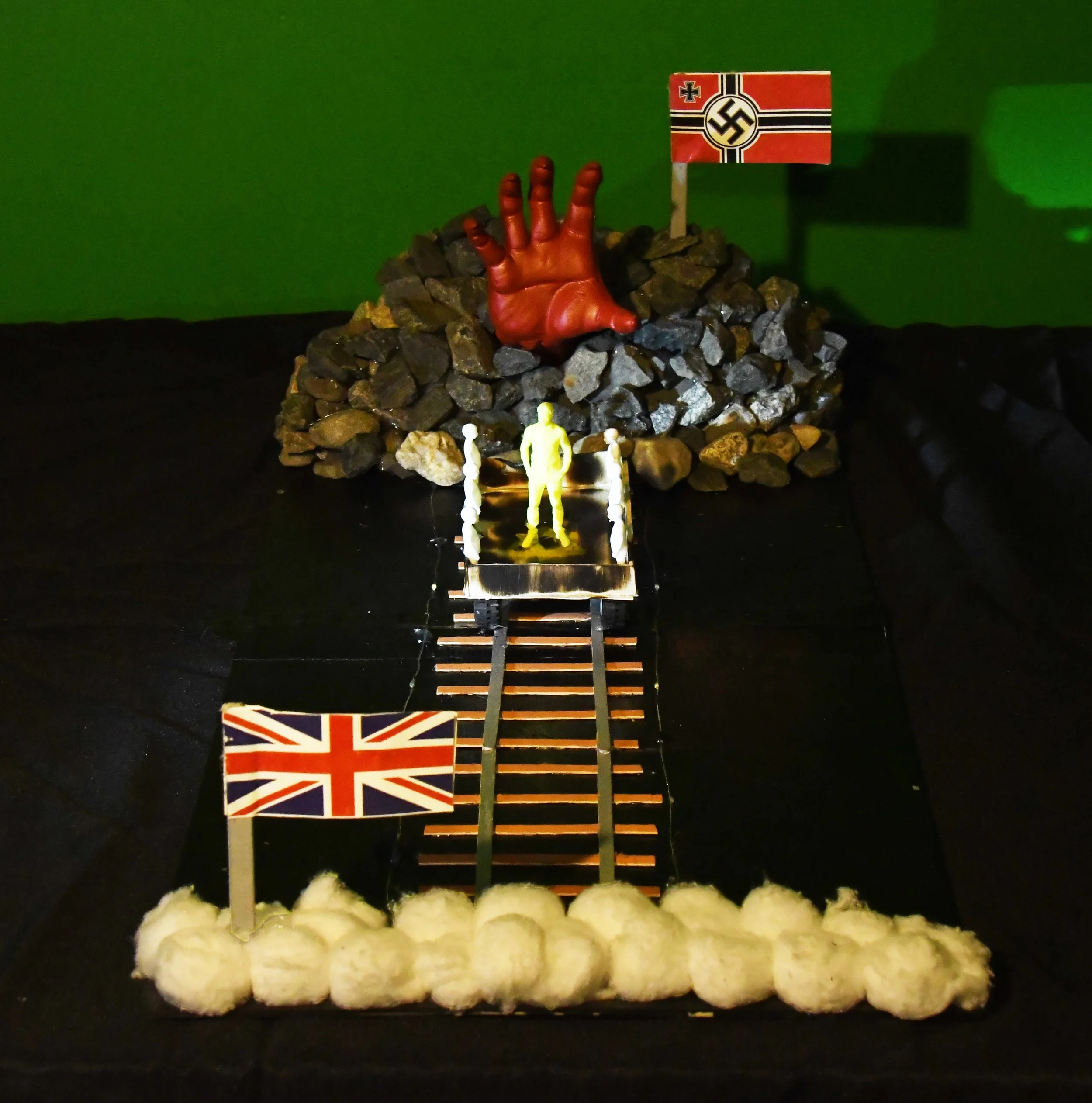
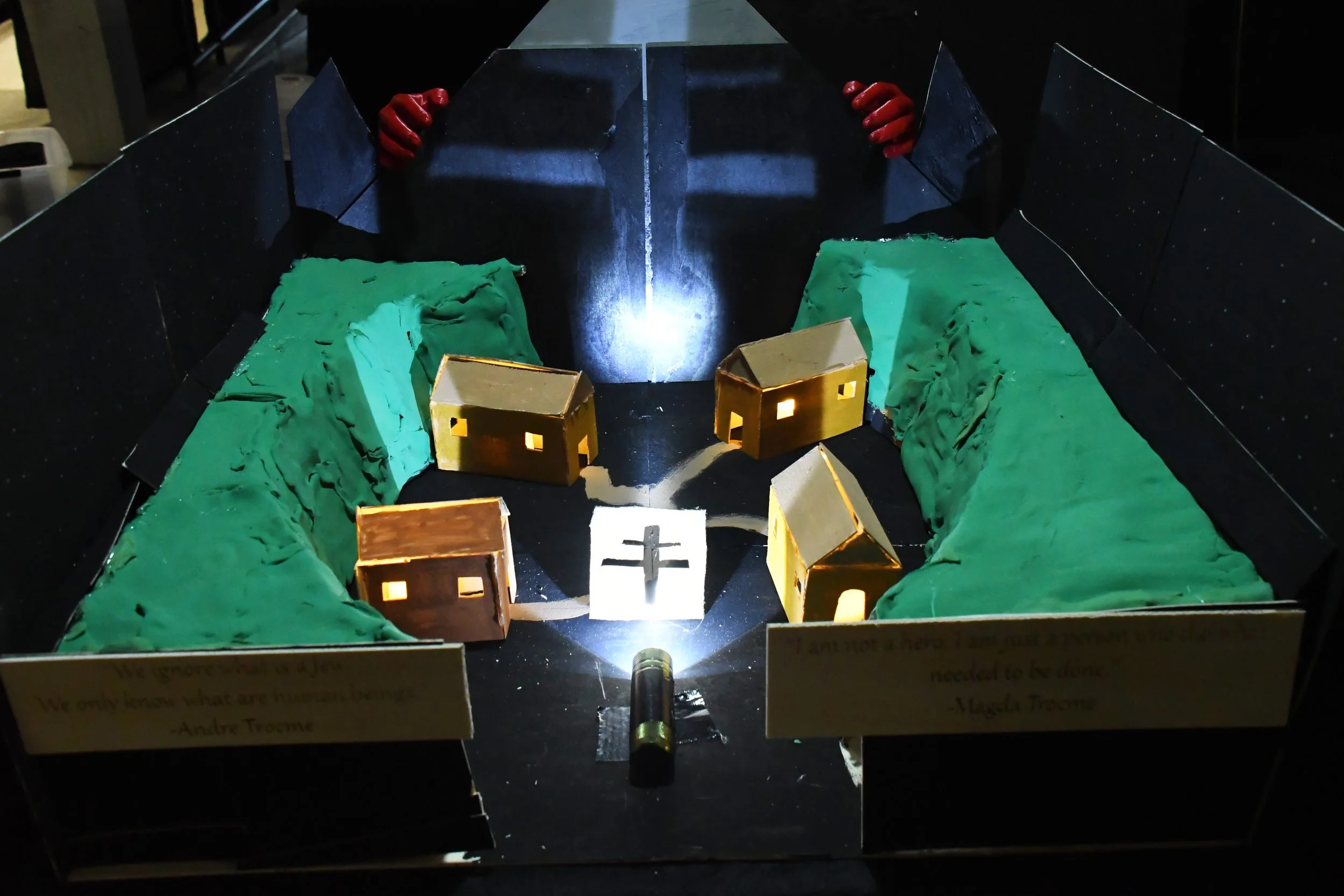
The Holocaust happened nearly 80 years ago, but its lessons are urgent and relevant today:
Hatred can spread quickly: Understanding how propaganda and prejudice work helps us recognize and resist them in our own time
Ordinary people have power: We are not passive observers of history. Our choices matter. We can choose to stand up for others, speak truth, and resist injustice
Silence is not neutral: When we witness injustice and do nothing, we become complicit. Speaking up matters
Bearing witness is a responsibility: By learning and sharing these stories, we honor those who suffered and work to prevent future atrocities
We all have a role to play: Whether through education, advocacy, or standing up against discrimination in our own communities, we all have a responsibility to protect human dignity
This museum is designed for students in grades 4-12 and adult visitors. Whether you're bringing a class to the physical exhibition or exploring this website, we've created and curated resources to support your learning:
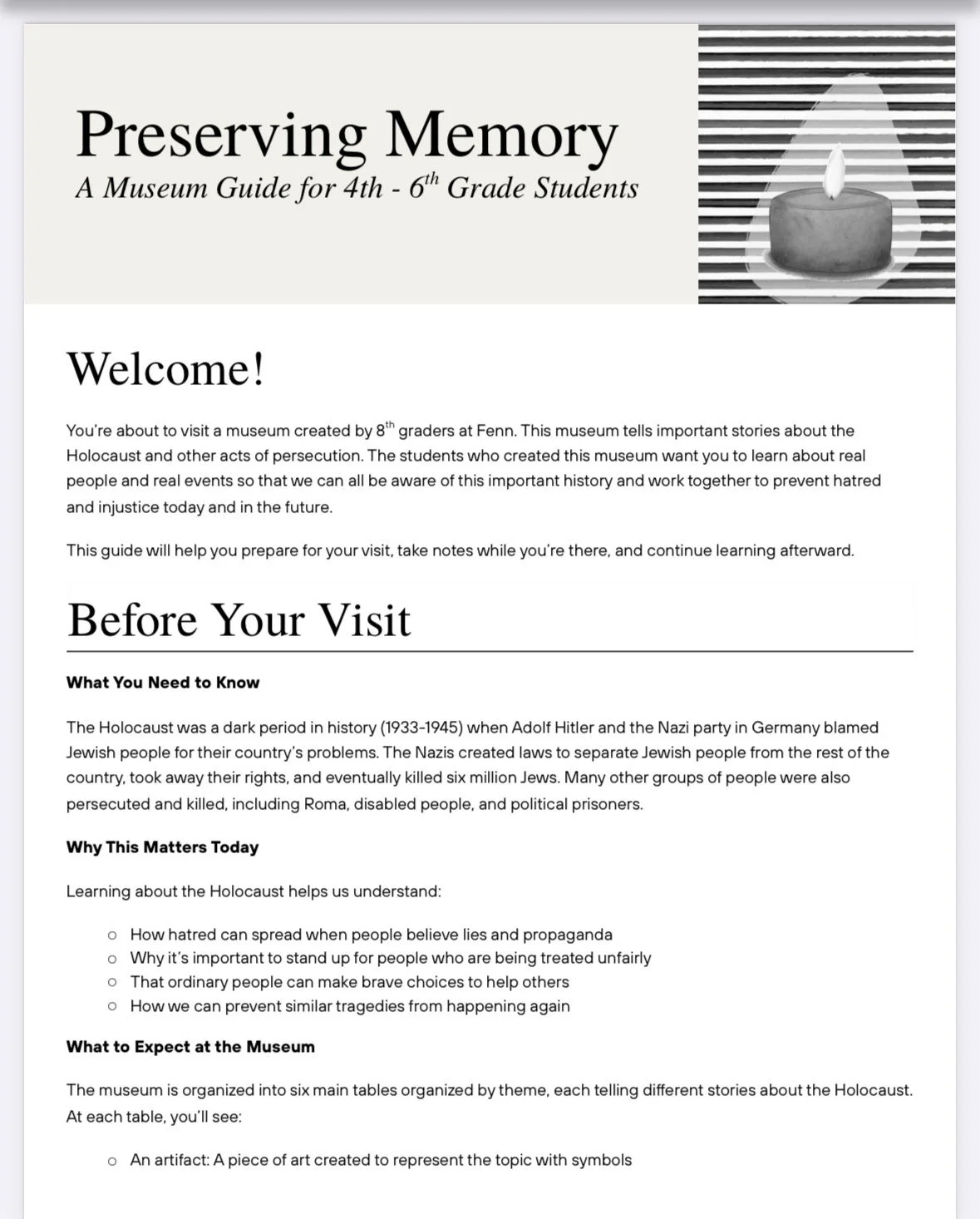
Student Guide: An age-appropriate guide for students in grades 4-6 to prepare for their visit and reflect afterward.
Reflection Questions: Prompts help students think deeply about resilience, resistance, and their own role in preventing hatred. Please find them on the reflection and feedback page.
Teacher Resources: Facing History and Ourselves, iWitness, and Concord Museum have all been critical curricular resources for our students’ learning.
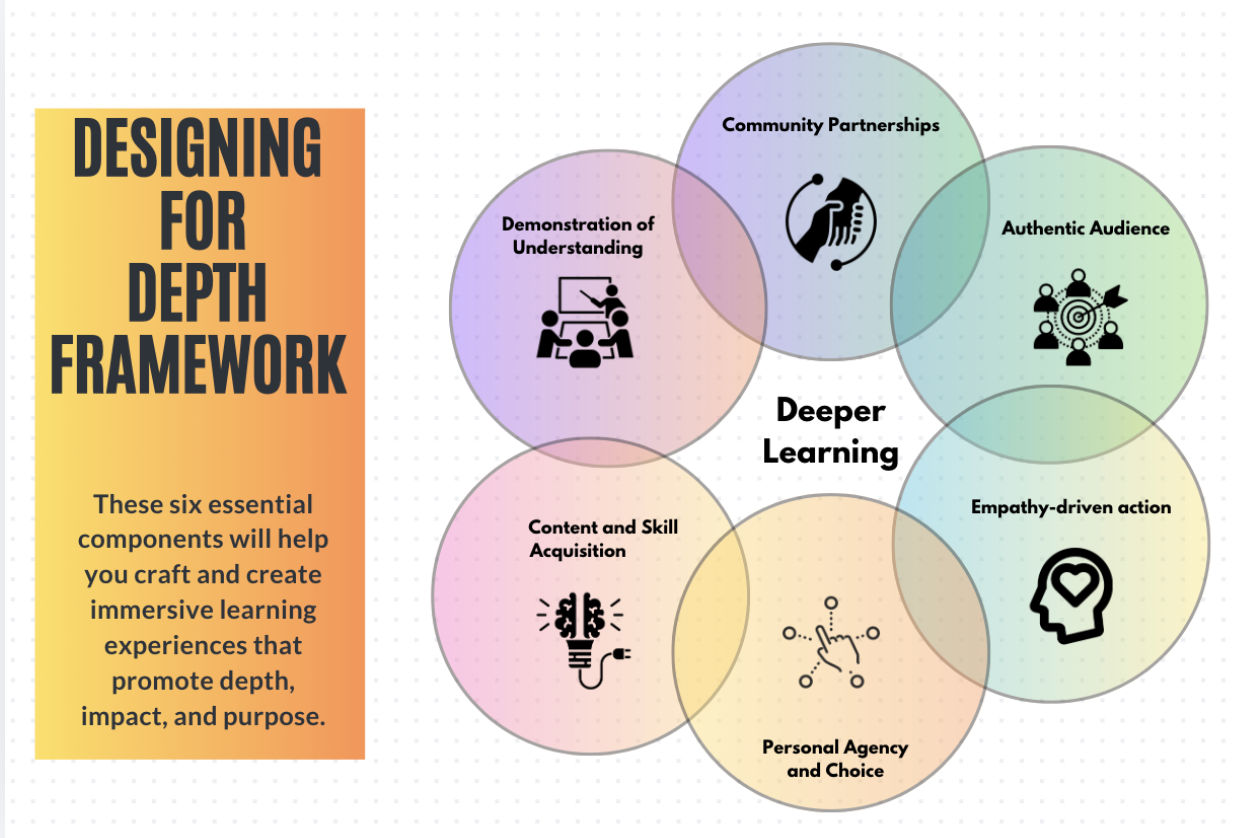
Deeper Learning: Our Department chairs and Innovation Director have developed a Deeper Learning model for this project that can be utilized at your school. Contact us here.
We encourage educators to use this museum not just as a history lesson, but as a catalyst for conversations about justice, courage, and responsibility.